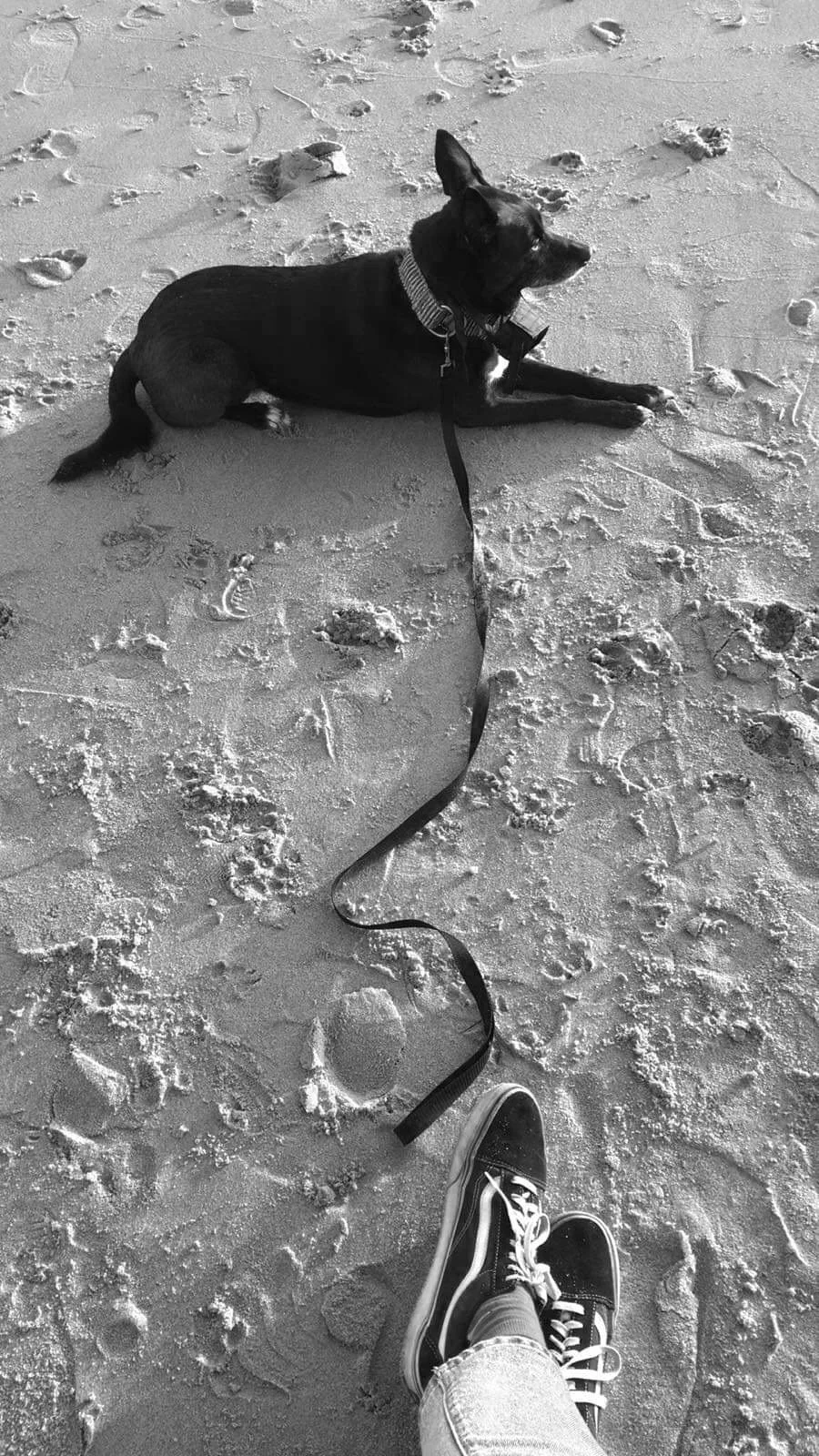
Quando escrevi a primeira versão deste artigo, em 2025, a nossa cadela Molly tinha morrido há pouco tempo. Era ativa e esperta, e parecia ter uma saúde de ferro. Morreu inesperadamente, de um dia para o outro. Ainda hoje nos lembramos dela nos pequenos momentos do dia a dia.
Vínculo humano-animal
Para muitas pessoas, um animal de companhia é uma presença constante e uma relação de afeto importante. Pode fazer parte das rotinas, oferecer companhia e ocupar um lugar especial na família, sem que seja preciso comparar essa ligação com outras relações.[1] Em Portugal, a Direção-Geral de Alimentação e Veterinária referia, em 2025, cerca de quatro milhões de animais registados no SIAC.[2]
O luto por um animal
Quando esse animal morre, a perda pode trazer grande sofrimento. Mas nem sempre encontra reconhecimento: há quem ouça que era «só um animal» e deixe de falar do que sente. Uma revisão que reuniu 78 estudos de vários países confirma a importância deste luto e questiona a ideia de o tratar como uma perda ilegítima. O que pode faltar é reconhecimento por parte dos outros, não legitimidade à relação que terminou.[3]
As pessoas também procuram formas diferentes de lidar com a perda. Algumas querem falar dela; outras precisam de algum tempo a sós, e as duas coisas podem acontecer no mesmo dia. Nenhuma destas respostas é, por si só, uma regra ou um erro.[4] Quando alguém próximo escuta sem diminuir o que aconteceu, torna-se mais fácil dar lugar à saudade. Pelo contrário, sentir que se tem de esconder a dor pode acrescentar solidão à perda.[3]
Nem todas as despedidas chegam da mesma maneira. No nosso caso, a morte da Molly foi súbita. Quando um animal envelhece ou adoece, pode haver preocupação e tristeza ainda antes da morte, ao mesmo tempo que se tenta cuidar dele e tomar decisões. Um estudo com pessoas que cuidavam de cães idosos associou esse luto antecipatório ao peso dos cuidados e à proximidade com o animal. Saber que a morte se aproxima não torna necessariamente a despedida mais fácil.[5]
Uma revisão de estudos qualitativos mostra que algumas pessoas vivem a morte de um animal com uma intensidade semelhante à de outras perdas importantes. À ausência juntam-se mudanças nas rotinas, dúvidas sobre decisões tomadas no fim de vida e, por vezes, culpa.[1] Um estudo publicado em 2026 encontrou também casos de sofrimento intenso e persistente. Não significa que todos passem pelo mesmo, mas lembra-nos de que esta perda pode merecer apoio clínico.[6]
A culpa pode aparecer em perguntas difíceis: «Devia ter percebido mais cedo?», «Tomei a decisão certa?». Quem acompanhou uma doença pode interrogar-se sobre tratamentos ou sobre a eutanásia; quem foi surpreendido pela morte pode procurar sinais que não viu. Nem sempre há uma resposta que faça desaparecer estas dúvidas. Num estudo sobre o fim de vida dos animais, sentir que se participou nas decisões e que o veterinário comunicou com empatia esteve associado a menos culpa e arrependimento.[7] Voltar a falar com o veterinário sobre o que aconteceu pode ajudar a compreender melhor as decisões tomadas com a informação disponível na altura.
Há uma diferença entre recordar o que aconteceu e ficar preso à pergunta «e se eu tivesse feito outra coisa?». Não é preciso proibir esse pensamento nem exigir a si próprio uma resposta definitiva. Pode ser mais útil reparar na dureza com que se está a julgar e procurar alguém com quem falar sem receio de ser criticado. Um estudo com pessoas recentemente enlutadas relacionou a autocompaixão com a forma como lidavam com o sofrimento, sobretudo quando sentiam que não podiam expressar a sua perda.[8]
A perda também se faz sentir em gestos simples: chegar a casa e já não encontrar o animal à porta, ou reparar no silêncio à hora do passeio. Pode fazer falta não só a companhia, mas o lugar que aquela relação ocupava nos dias. Por isso, uma rotina que antes parecia banal pode custar a retomar. É possível mantê-la, mudá-la ou deixá-la de lado durante algum tempo, sem que nenhuma destas escolhas meça o amor pelo animal.[1]
Dar lugar à memória
Lembrar não é necessariamente ficar preso ao passado. Guardar uma fotografia, contar histórias ou criar um pequeno ritual pode ajudar algumas pessoas a encontrar um lugar para essa relação depois da morte do animal. A investigação chama a estas formas de recordar «vínculos contínuos»; para outras pessoas, podem intensificar a dor.[9] Também não é preciso fazer um ritual para viver bem este luto: um estudo não encontrou uma relação entre a quantidade ou o tipo de memoriais e o crescimento psicológico após a perda.[10] O importante é perceber o que ajuda em cada momento, sem a pressão de «ultrapassar» a perda depressa.
Se está a passar por esta perda, estas sugestões podem ajudar. Não há um calendário nem uma forma certa de fazer o luto.[11]
1.Respeite o seu ritmo. A relação que tinha com o animal, as perdas anteriores e o apoio à sua volta podem influenciar o que sente. Talvez queira guardar os brinquedos e as tigelas durante algum tempo; talvez prefira afastá-los. Não precisa de tomar todas as decisões nos primeiros dias. Pode voltar a elas quando se sentir preparado.
2.Cuide também de si. A tristeza pode alterar o sono, o apetite e a energia. Tente manter, tanto quanto possível, refeições, descanso e alguma atividade, mesmo que a rotina tenha perdido sentido por uns tempos. Falar do que sente com alguém de confiança pode aliviar a solidão; não precisa de explicar por que motivo o vínculo era importante.[11]
3.Não se apresse a decidir sobre outro animal. Pode querer voltar a ter um animal daqui a semanas, meses ou anos, ou pode não querer. Um novo companheiro não substitui aquele que perdeu, e a decisão não precisa de obedecer às expectativas dos outros.[9]
4.Reorganize as rotinas à sua maneira. Talvez aquela caminhada diária faça falta. Pode mantê-la, mudar o percurso ou criar outra atividade. Se o passeio era também um momento de exercício ou convívio, pense em como quer conservar essa parte dos seus dias.
5.Peça apoio quando precisar. Pode começar por falar com alguém que conheça bem a relação que tinha com o animal. Se o sofrimento for intenso, persistir ou dificultar a vida quotidiana, procure um profissional de saúde mental. Não tem de esperar por um prazo específico nem de justificar por que razão esta perda lhe custa tanto.[11]
When I first wrote this article in 2025, our dog Molly had died not long before. She was active and clever, and seemed to be in excellent health. Her death came unexpectedly, from one day to the next. We still think of her in the small moments of everyday life.
The human-animal bond
For many people, a companion animal is a constant presence and an important bond of affection. They may be part of daily routines, offer companionship and hold a special place in the family, without any need to compare that bond with other relationships.[1] In Portugal, the Directorate-General for Food and Veterinary Affairs reported around four million animals registered in the SIAC in 2025.[2]
Pet bereavement
When that animal dies, the loss can bring profound distress. Yet it is not always recognised: some people are told it was “just an animal” and stop talking about how they feel. A review bringing together 78 studies from several countries confirms the importance of this grief and challenges the idea that it should be treated as an illegitimate loss. What may be missing is recognition from others, not legitimacy in the relationship that has ended.[3]
People also find different ways of coping with the loss. Some want to talk about it; others need time alone, and both may happen on the same day. Neither response is, in itself, right or wrong.[4] When someone close listens without diminishing what happened, it becomes easier to make room for the sense of loss. By contrast, feeling that the pain must be hidden can add loneliness to grief.[3]
Not every farewell arrives in the same way. In our case, Molly's death was sudden. When an animal grows old or becomes ill, worry and sadness may begin before the death, while the person is still providing care and making decisions. A study of people caring for older dogs linked this anticipatory grief to the burden of care and the closeness of the bond. Knowing that death is approaching does not necessarily make the farewell easier.[5]
A review of qualitative studies shows that some people experience the death of an animal with an intensity similar to other significant losses. Alongside the animal's absence come changes in routine, doubts about decisions made near the end of life and, sometimes, guilt.[1] A study published in 2026 also found cases of intense, persistent distress. This does not mean everyone has the same experience, but it is a reminder that this loss may warrant clinical support.[6]
Guilt can bring difficult questions: “Should I have noticed sooner?” “Did I make the right decision?” Someone who accompanied an illness may question treatments or euthanasia; someone taken by surprise may search for signs they missed. There is not always an answer that makes these doubts disappear. In a study on animals' end of life, taking part in decisions and receiving empathetic communication from the vet were associated with less guilt and regret.[7] Speaking with the vet again about what happened may help place those decisions in the context of the information available at the time.
There is a difference between remembering what happened and becoming trapped in the question “what if I had done something else?”. You do not have to forbid that thought or demand a final answer from yourself. It may be more helpful to notice how harshly you are judging yourself and find someone you can speak to without fear of criticism. A study of recently bereaved pet owners associated self-compassion with the way they coped with distress, particularly when they felt unable to express their loss.[8]
The loss is also felt in ordinary moments: coming home to find the animal is no longer waiting at the door, or noticing the silence at walking time. What is missed may be not only the companionship, but also the place that relationship occupied in each day. A routine that once seemed ordinary can therefore be hard to resume. It can be kept, changed or set aside for a while; none of these choices measures how much the animal was loved.[1]
Making room for memory
Remembering does not necessarily mean being stuck in the past. Keeping a photograph, telling stories or creating a small ritual can help some people find a place for that relationship after the animal has died. Research calls these ways of remembering “continuing bonds”; for others, they may intensify the pain.[9] Nor is a ritual necessary in order to grieve well: one study found no relationship between the number or type of memorials and psychological growth after the loss.[10] What matters is noticing what helps at a given moment, without pressure to “get over” the loss quickly.
If you are going through this loss, these suggestions may help. There is no set timetable or one right way to grieve.[11]
1.Respect your own pace. Your bond with the animal, earlier losses and the support around you may all shape how you feel. You may want to keep their toys and bowls for a while, or you may prefer to put them away. You do not have to make every decision in the first few days. You can return to them when you feel ready.
2.Take care of yourself too. Sadness can affect sleep, appetite and energy. As far as you can, try to keep up meals, rest and some activity, even if your routine feels different for a while. Talking about how you feel with someone you trust may ease the loneliness; you do not need to explain why the bond mattered.[11]
3.Do not rush a decision about another animal. You may want another companion in weeks, months or years, or you may not want one at all. A new animal cannot replace the one you lost, and the decision need not follow anyone else's expectations.[9]
4.Rework routines in your own way. Perhaps you miss that daily walk. You can keep it, take a different route or find another activity. If the walk was also a time for exercise or social contact, consider how you might keep that part of your day.
5.Ask for support when you need it. You might begin by talking to someone who knew how important your animal was to you. If your distress is intense, persists or makes daily life difficult, speak to a mental health professional. You do not have to wait for a particular length of time or justify why this loss hurts so much.[11]
Lorsque j'ai écrit la première version de cet article, en 2025, notre chienne Molly était morte peu de temps auparavant. Elle était active et intelligente, et semblait en excellente santé. Sa mort est survenue soudainement, d'un jour à l'autre. Aujourd'hui encore, nous pensons à elle dans les petits moments du quotidien.
Le lien humain-animal
Pour beaucoup de personnes, un animal de compagnie est une présence constante et une relation affective importante. Il peut faire partie des habitudes quotidiennes, offrir de la compagnie et occuper une place particulière dans la famille, sans qu'il soit nécessaire de comparer ce lien à d'autres relations.[1] Au Portugal, la Direction générale de l'alimentation et des affaires vétérinaires indiquait, en 2025, qu'environ quatre millions d'animaux étaient enregistrés dans le SIAC.[2]
Le deuil d'un animal
Lorsque cet animal meurt, la perte peut provoquer une grande souffrance. Pourtant, ce deuil n'est pas toujours reconnu : certaines personnes entendent que ce n'était « qu'un animal » et cessent de parler de ce qu'elles ressentent. Une revue réunissant 78 études menées dans plusieurs pays confirme l'importance de ce deuil et remet en question l'idée qu'il s'agirait d'une perte illégitime. Ce qui peut manquer, c'est la reconnaissance des autres, et non la légitimité de la relation qui a pris fin.[3]
Les personnes cherchent aussi à faire face à la perte de différentes manières. Certaines veulent en parler ; d'autres ont besoin d'un peu de solitude, et ces deux besoins peuvent se présenter le même jour. Aucune de ces réactions n'est, en soi, une règle ou une erreur.[4] Lorsqu'un proche écoute sans minimiser ce qui s'est passé, il devient plus facile de faire une place au manque. À l'inverse, se sentir obligé de cacher sa douleur peut ajouter de la solitude au deuil.[3]
Tous les adieux n'arrivent pas de la même manière. Dans notre cas, la mort de Molly a été soudaine. Lorsqu'un animal vieillit ou tombe malade, l'inquiétude et la tristesse peuvent apparaître avant sa mort, alors même qu'il faut continuer à s'en occuper et prendre des décisions. Une étude menée auprès de personnes qui s'occupaient de chiens âgés a associé ce deuil anticipé au poids des soins et à la proximité avec l'animal. Savoir que la mort approche ne rend pas nécessairement les adieux plus faciles.[5]
Une revue d'études qualitatives montre que certaines personnes vivent la mort d'un animal avec une intensité semblable à celle d'autres pertes importantes. À l'absence de l'animal s'ajoutent des changements dans les habitudes, des doutes sur les décisions prises en fin de vie et, parfois, de la culpabilité.[1] Une étude publiée en 2026 a également relevé des cas de souffrance intense et persistante. Cela ne signifie pas que tout le monde traverse la même expérience, mais rappelle que cette perte peut justifier un soutien clinique.[6]
La culpabilité peut faire surgir des questions difficiles : « Aurais-je dû m'en rendre compte plus tôt ? », « Ai-je pris la bonne décision ? ». Une personne qui a accompagné une maladie peut s'interroger sur les traitements ou l'euthanasie ; une personne surprise par la mort peut chercher des signes qu'elle n'a pas vus. Il n'existe pas toujours de réponse qui fasse disparaître ces doutes. Dans une étude sur la fin de vie des animaux, le fait de participer aux décisions et de recevoir une communication empathique du vétérinaire était associé à moins de culpabilité et de regrets.[7] Reprendre la conversation avec le vétérinaire sur ce qui s'est passé peut aider à comprendre les décisions prises avec les informations dont on disposait alors.
Il y a une différence entre se souvenir de ce qui s'est passé et rester prisonnier de la question « et si j'avais agi autrement ? ». Il n'est pas nécessaire d'interdire cette pensée ni d'exiger de soi une réponse définitive. Il peut être plus utile de remarquer la dureté avec laquelle on se juge et de chercher quelqu'un à qui parler sans craindre d'être critiqué. Une étude menée auprès de personnes récemment endeuillées a associé l'autocompassion à leur manière de faire face à la souffrance, surtout lorsqu'elles avaient le sentiment de ne pas pouvoir exprimer leur perte.[8]
La perte se ressent aussi dans les gestes ordinaires : rentrer chez soi sans retrouver l'animal à la porte, ou remarquer le silence à l'heure de la promenade. Ce n'est pas seulement sa compagnie qui peut manquer, mais aussi la place que cette relation occupait dans les journées. Une habitude autrefois banale peut donc être difficile à reprendre. Il est possible de la conserver, de la modifier ou de la laisser de côté quelque temps, sans qu'aucun de ces choix ne mesure l'amour porté à l'animal.[1]
Faire une place au souvenir
Se souvenir ne signifie pas nécessairement rester prisonnier du passé. Garder une photographie, raconter des histoires ou créer un petit rituel peut aider certaines personnes à donner une place à cette relation après la mort de l'animal. La recherche parle de « liens continus » ; pour d'autres personnes, ces souvenirs peuvent raviver la douleur.[9] Il n'est pas non plus nécessaire d'accomplir un rituel pour bien vivre ce deuil : une étude n'a pas trouvé de lien entre le nombre ou le type de commémorations et la croissance psychologique après la perte.[10] L'essentiel est de reconnaître ce qui aide à un moment donné, sans pression pour « passer à autre chose » rapidement.
Si vous traversez cette perte, ces suggestions peuvent vous aider. Le deuil n'a ni calendrier ni manière unique de se vivre.[11]
1.Respectez votre rythme. Le lien avec l'animal, les pertes antérieures et le soutien dont vous disposez peuvent influencer ce que vous ressentez. Vous pouvez vouloir garder ses jouets et ses gamelles quelque temps, ou préférer les ranger. Vous n'avez pas à prendre toutes les décisions dans les premiers jours. Vous pourrez y revenir quand vous vous sentirez prêt.
2.Prenez aussi soin de vous. La tristesse peut modifier le sommeil, l'appétit et l'énergie. Dans la mesure du possible, essayez de maintenir les repas, le repos et une certaine activité, même si vos habitudes semblent avoir changé pour un temps. Parler de ce que vous ressentez avec une personne de confiance peut atténuer la solitude ; vous n'avez pas à expliquer pourquoi ce lien comptait tant.[11]
3.Ne vous pressez pas de décider d'accueillir un autre animal. Vous pourrez en avoir envie dans quelques semaines, quelques mois ou quelques années, ou ne pas en avoir envie du tout. Un nouvel animal ne remplace pas celui que vous avez perdu, et cette décision n'a pas à suivre les attentes des autres.[9]
4.Réorganisez vos habitudes à votre manière. Cette promenade quotidienne vous manque peut-être. Vous pouvez la garder, changer d'itinéraire ou trouver une autre activité. Si cette sortie était aussi un moment d'exercice ou de rencontre, réfléchissez à la manière dont vous souhaitez conserver cette part de vos journées.
5.Demandez du soutien si vous en avez besoin. Vous pouvez commencer par parler à quelqu'un qui connaissait l'importance de cet animal pour vous. Si la souffrance est intense, persiste ou gêne votre vie quotidienne, consultez un professionnel de la santé mentale. Vous n'avez pas à attendre un délai précis ni à justifier pourquoi cette perte vous fait si mal.[11]